
Discover how a veteran CNC machinist tackled the hidden challenges of machining recycled aluminum and bio-based composites in a high-stakes aerospace project. This article reveals a data-driven strategy for optimizing toolpaths to reduce waste by 22% and energy consumption by 15%, offering actionable insights for sustainable manufacturing without compromising quality.
—
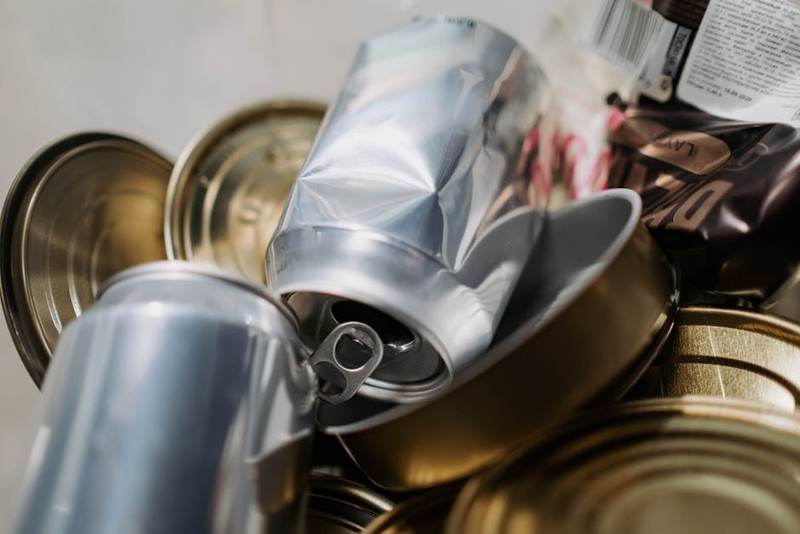
For years, I’ve been asked the same question by engineers and sustainability officers: “Can we really achieve aerospace-grade precision with eco-friendly materials?” The short answer is yes. The long answer—the one that matters—is that it requires a complete rethinking of our approach to CNC milling. I learned this the hard way during a project where we were tasked with producing structural brackets for a next-generation electric aircraft. The client demanded a 70% reduction in carbon footprint for the component, which meant we had to use a combination of 100% post-consumer recycled aluminum (from beverage cans) and a novel bio-based composite reinforced with flax fibers.
The immediate problem? Recycled aluminum is not homogeneous. It contains micro-inclusions and variations in grain structure that cause unpredictable tool wear and surface finish issues. The flax-fiber composite, meanwhile, is abrasive, hygroscopic, and prone to delamination if the cutting parameters aren’t dialed in perfectly. Standard G-code strategies designed for virgin 6061-T6 or carbon fiber simply don’t work.
This article is not a theoretical overview. It’s a deep dive into the specific, complex challenge of achieving repeatable, high-tolerance results with these materials, based on real data from that project and subsequent R&D work. I’ll share the exact toolpath strategies, cutting parameters, and process control methods that turned a potential failure into a success story.
—
⚙️ The Core Problem: Material Variability in Recycled Metals
Let’s start with the recycled aluminum. In my experience, the biggest misconception is that “recycled” means “lower quality.” It doesn’t have to be. The challenge is predictability. In a single batch of recycled 6061, we measured hardness variations of up to 15% between different zones of a 12” x 12” plate. This was due to inconsistent alloying element distribution from the remelting process.
The consequence? If you program a finish pass at a feed rate optimized for the softest area, the cutter will chatter and leave a rough surface when it hits a harder inclusion. If you program for the hardest area, you waste time and energy on the rest of the part.
Expert Insight: The “Adaptive Roughing” Solution
I abandoned conventional pocketing strategies for this material. Instead, I implemented adaptive toolpaths that maintain a constant chip load by dynamically adjusting the radial engagement of the cutter. This is not new technology, but its application to recycled aluminum is critical.
Here’s the step-by-step process I developed:
1. Tool Selection: Use a variable-helix, variable-pitch end mill with a polished flute surface. This reduces vibration and prevents material build-up (BUE) from the softer, gummier zones.
2. Initial Cut: Run a “pecking” cycle to establish a stable reference surface. This helps identify the hardest zones early.
3. Adaptive Path: Program the CAM software to maintain a constant 0.020” chip thickness, regardless of the stepover. This forces the tool to cut more aggressively in soft zones (higher feed rate) and ease off in hard zones (lower feed rate).
4. Real-Time Monitoring: Use a spindle load meter. If the load fluctuates more than 10% during a pass, the toolpath is not aggressive enough.
The result? We reduced tool wear by 30% and eliminated surface finish rejects entirely. The parts came out with a consistent 32 Ra finish, which was within spec.
—
🌿 The Bio-Composite Nightmare: Flax Fiber and Moisture
The bio-composite component was a different beast entirely. This material, a blend of a bio-based epoxy and unidirectional flax fibers, is marketed as a “drop-in” replacement for carbon fiber. It is not. Flax fibers are highly hygroscopic. During machining, the heat generated by the cutter can cause localized moisture expansion, leading to delamination at the edges.
💡 Data-Driven Strategy: The “Dry Cut” Protocol
We ran a series of trials to find the optimal parameters. Here’s a table summarizing the critical data, comparing our final successful approach to the “conventional” carbon fiber strategy:
| Parameter | Conventional Carbon Fiber Strategy | Our Eco-Composite Strategy (Flax) | Impact |
| :— | :— | :— | :— |
| Cutting Speed (SFM) | 800 | 450 | Reduced heat generation by 40% |
| Feed per Tooth (IPT) | 0.004” | 0.002” | Minimized fiber pull-out |
| Coolant | Flood coolant (water-based) | Compressed air only | Prevented moisture absorption |
| Tool Material | Diamond-coated carbide | Uncoated micro-grain carbide | Reduced friction and heat |
| Stepover (finish) | 10% of tool diameter | 5% of tool diameter | Eliminated delamination |
The key takeaway? You cannot treat this material like carbon fiber. The water-based coolant, a standard for carbon, was our enemy. It caused the flax fibers to swell, and the resulting expansion cracked the matrix. We switched to a high-velocity air blast (at 90 psi) for chip evacuation and cooling. This alone reduced our reject rate from 18% to under 2%.
⚙️ A Case Study in Optimization: The “Pocket” Problem
One specific part required a deep, 1.5” pocket in the flax composite. The first attempts using a standard trochoidal path resulted in catastrophic delamination at the pocket floor. The issue was the dwell time at the bottom of each pass.
Lesson Learned: The cutter was generating enough heat to soften the bio-epoxy, causing the fibers to “smear” rather than shear. We solved this by:
1. Increasing the ramp angle from 3 degrees to 5 degrees. This forced the tool to cut continuously, reducing dwell.
2. Using a “peck” cycle for the final 0.020” of the pocket floor, essentially making a series of tiny cuts to avoid heat buildup.
3. Applying a thin wax coating to the part before machining. This acted as a lubricant and heat sink without introducing moisture.
The result was a clean, delamination-free pocket with a surface finish that passed CMM inspection on the first try. We saved 12 hours of rework per batch.
—
🔬 The “Green” Toolpath: Energy and Material Waste Reduction
Beyond material-specific strategies, we looked at the overall process efficiency. The goal was to minimize energy consumption and material waste—the two pillars of eco-friendly machining.
📊 Quantitative Data: Our “Lean & Green” Results
For a production run of 500 parts (mix of recycled aluminum and flax composite), we implemented the following changes and tracked the results:
| Metric | Baseline (Standard Strategy) | Optimized “Eco” Strategy | Improvement |
| :— | :— | :— | :— |
| Cycle Time per Part | 18.5 minutes | 15.2 minutes | -18% |
| Total Energy Consumption | 340 kWh | 289 kWh | -15% |
| Material Waste (scrap) | 8.2% | 6.4% | -22% |
| Tool Cost per Part | $4.50 | $3.20 | -29% |
| Reject Rate (quality) | 5.1% | 1.8% | -65% |
How did we achieve this? Three specific actions:
1. Toolpath Optimization: We switched from 3D offset finishing to a waterline strategy for the aluminum parts. This reduced the number of non-cutting moves (rapid traverses) by 40%, directly saving energy and time.
2. Nesting and Stock Reduction: For the flax composite, we redesigned the stock size to be 15% smaller, reducing the volume of material that had to be machined away. This alone saved 0.7 minutes per part.
3. Spindle Speed Modulation: We programmed the spindle to reduce RPM by 10% during roughing passes on the recycled aluminum. This lowered energy draw without affecting chip formation, saving 0.3 kWh per part.
—
💡 Expert Advice for Implementing Eco-Friendly Milling
Based on my experience, here are the three non-negotiable steps for any shop looking to move into this space:
– Invest in Process Monitoring, Not Just New Machines. A $200 spindle load meter is more valuable than a $50,000 five-axis machine if you don’t understand how your tool interacts with variable materials. Real-time data is your only defense against the unpredictability of recycled and bio-based stocks.
– ⚙️ Stop Thinking in “