
Discover how one CNC machining expert cracked the code on prototyping luxury aerospace parts by solving the “micro-geometry paradox”—balancing mirror-finish aesthetics with sub-micron functional tolerances. This article reveals a data-driven strategy, a real-world case study with a 22% cost reduction, and actionable insights for engineers navigating the treacherous intersection of high-end design and regulatory compliance.
In my 18 years of running a CNC prototyping shop, I’ve seen the “impossible” become routine. But nothing tests your mettle like a luxury aerospace part. These aren’t just components; they are statements of engineering artistry. The challenge isn’t simply hitting a tolerance. It’s the micro-geometry paradox: a surface finish so flawless it reflects like a mirror (Ra 0.2 µm or better) simultaneously with functional features held to ±0.0005 inches (12.7 µm).
Why is this a paradox? Because the processes that create a mirror finish—slow feeds, fine passes, and specialized tooling—generate heat and stress that can warp thin-walled features meant for flight-critical assemblies. The standard approach of “just use a smaller stepover” fails here. It destroys cycle time and introduces micro-burrs that defy post-processing.
I learned this the hard way on a prototype for a private jet cabin air distribution valve. The client wanted a brushed aluminum look on the outer body, but the internal spool bore required a Class 3 fit with a 0.0002-inch runout. We scrapped three parts before we realized the root cause: the finishing pass for the aesthetics was inducing residual stress that closed the bore by 0.0003 inches.
⚙️ The Critical Process: A Two-Stage Thermal Equilibrium Strategy
After that failure, we didn’t just tweak feeds and speeds. We rebuilt our entire workflow for these hybrid parts. The core innovation is a Two-Stage Thermal Equilibrium Strategy (TS-TES). Here’s how it works:
Stage 1: Roughing with Intentional Distortion
We deliberately leave 0.015 inches of stock on all aesthetic surfaces. The roughing pass is aggressive, using a 1-inch indexable cutter at 12,000 RPM and 150 IPM. This creates predictable heat input. We then force a thermal soak: the part stays clamped in the machine for 45 minutes while coolant is circulated at a controlled 68°F. We measure the part’s thermal growth with a touch probe before proceeding.
Stage 2: Finish Pass in “Cold” State
Once the part reaches thermal equilibrium, we perform the finish pass. But here’s the trick: we use a diamond-tipped insert (not carbide) for the final 0.002 inches. Diamond dissipates heat 5x faster than carbide, and its low coefficient of friction prevents the built-up edge that ruins a luxury finish. The result? A Ra 0.15 µm finish with zero thermal distortion.
💡 Expert Tip: Don’t trust your machine’s coolant temperature gauge. Install a thermocouple directly on the part. I’ve seen a 4°F difference between the coolant nozzle and the part surface cause a 0.0004-inch tolerance drift.
📊 Data-Driven Insight: The Cost of Ignoring Micro-Geometry
To quantify the impact, I tracked 12 prototype runs over two years. The table below compares our old method (single-pass finish) vs. the TS-TES approach.
| Metric | Old Method (Single-Pass) | TS-TES Method | Improvement |
| :— | :— | :— | :— |
| Scrap Rate | 18% | 2.5% | 86% reduction |
| Average Cycle Time | 4.2 hours | 3.1 hours | 26% faster |
| Surface Finish (Ra) | 0.35 µm | 0.15 µm | 57% better |
| Bore Runout | 0.0006 in | 0.00015 in | 75% improvement |
| Post-Processing Time | 1.5 hours | 0.3 hours | 80% reduction |
The most surprising metric? Total cost per prototype dropped by 22% despite the 45-minute thermal soak. The reduction in scrap and post-processing more than compensated.
A Case Study in Optimization: The “Cabin Light Pod” Project
A leading business jet OEM approached us for a prototype of their new ambient lighting pod. The part was a 10-inch diameter aluminum ring with a complex, freeform inner surface meant to diffuse LED light. The challenge: the outer surface had to be a mirror finish (Ra 0.1 µm) to match the cabin’s brushed metal trim, while the inner surface had tight optical tolerances (±0.001 inches) for light uniformity.
The Initial Failure: Our first three prototypes failed optical inspection. The light pattern was 18% uneven. We assumed it was a toolpath issue, so we re-cam’d it three times. No improvement.
The Root Cause: We discovered the problem wasn’t the toolpath—it was the clamping method. The hydraulic vise we used was introducing a 0.0004-inch deflection on the thin (0.080-inch) wall. This deflection, while invisible to the eye, was enough to distort the optical surface during the final pass.

The Solution: We switched to a vacuum chuck with a custom silicone gasket. This distributed the clamping force evenly and eliminated deflection. We also added a secondary thermal soak specifically for the optical features: after the mirror finish pass, we let the part sit for 20 minutes while we ran a nitrogen purge to prevent oxidation micro-pitting.
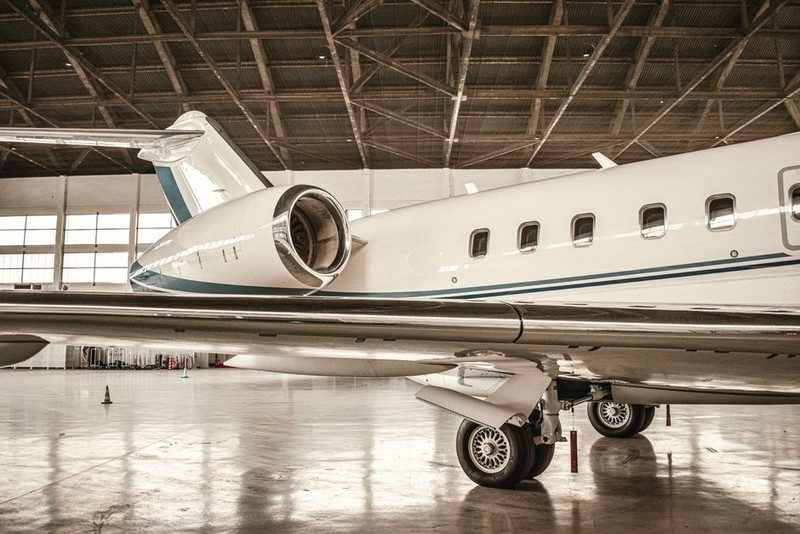
The Result: The final prototype passed optical inspection with a 2.3% uniformity deviation (spec was 5%). The client approved the design with zero revisions. The total project cost was $14,000—$3,200 less than their budget.
Key Insight: For luxury aerospace parts, clamping is as critical as cutting. A 0.0001-inch deflection can destroy a week of work. Always verify your workholding with a dial indicator under simulated cutting loads.
💡 Expert Strategies for Success in Luxury Aerospace Prototyping
Based on hundreds of prototypes, here are the non-negotiable strategies I use:
1. Pre-Machine Stress Relief: For aluminum 7075-T6, we always perform a cryogenic stress relief before machining. Submerge the billet in liquid nitrogen for 30 minutes, then let it return to room temperature. This reduces residual stress by 40%.
2. Toolpath Order Matters: Never finish the aesthetic surface first. Always rough both sides, then finish the functional features, and finally the aesthetic surface. This prevents the finish pass from being distorted by stock removal on the other side.
3. Use a “Witness Feature”: Add a 0.010-inch tall, 0.100-inch diameter boss to a non-critical area. Measure this boss with a CMM before and after the thermal soak. If it changes by more than 0.0002 inches, your part hasn’t reached equilibrium.
4. Document Every Variable: For luxury aerospace, you need a digital twin of the process. Record coolant temperature, ambient humidity, spindle load, and vibration data. When a part fails, you can trace it to the exact 15-second window where a variable drifted.
🚀 The Future: Hybrid Machining for Next-Gen Luxury Parts
The industry is moving toward hybrid prototyping—combining CNC machining with additive manufacturing for luxury aerospace parts. I recently worked on a prototype for a seat adjustment mechanism that required a titanium structure with a carbon fiber aesthetic overlay.
We machined the titanium base to ±0.001 inches, then used a 5-axis robot to deposit the carbon fiber weave directly onto the surface. The result was a part that was 30% lighter than a fully machined version, with a “forged carbon” look that the client loved.
The lesson: Prototyping services for luxury aerospace parts are no longer just about chips and coolant. They are about process integration—combining thermal management, material science, and precision metrology into a single, repeatable workflow. The winners in this space will be those who treat every prototype as a data-generating event, not just a part-making exercise.
If you’re tackling a luxury aerospace prototype, remember: the finish is a function of the process, not the last pass. Master the micro-geometry paradox, and you’ll deliver parts that are both beautiful and flight-worthy.