
Discover how CNC machining services are evolving to meet the demands of eco-friendly product design through material optimization, waste reduction strategies, and energy-efficient processes. This article shares real-world case studies from a 15-year industry veteran, including a project that cut material waste by 32% and reduced carbon footprint by 18% through innovative toolpath programming and material selection.
—
When I first entered the CNC machining world in the late 2000s, “eco-friendly” was a buzzword that rarely crossed the shop floor. We optimized for speed, precision, and cost—in that order. Today, as a senior applications engineer who has overseen hundreds of sustainable product development projects, I can tell you that the landscape has shifted dramatically. The demand for CNC machining services for eco-friendly product designs is no longer a niche request; it’s becoming a baseline expectation from forward-thinking clients.
But here’s the uncomfortable truth that many marketing pieces won’t tell you: achieving true sustainability in CNC machining is incredibly complex. It’s not just about switching to recycled aluminum or using biodegradable coolants. It requires a fundamental rethinking of how we approach everything from CAM programming to supply chain logistics. In this article, I’ll share the specific challenges I’ve faced, the data-driven solutions we’ve developed, and the lessons that can help you transform your eco-friendly product designs from concept to reality without sacrificing quality or profitability.
The Hidden Challenge: Why “Green” CNC Machining Is Harder Than It Looks
The most common mistake I see in eco-friendly product design is the assumption that sustainability is a material substitution problem. A designer specifies “recycled plastic” or “biodegradable polymer,” and assumes the CNC machining services will handle the rest. In reality, sustainable materials often behave radically differently under cutting tools.
⚙️ The Material Paradox
Let me give you a concrete example from a project last year. A client wanted to produce a line of consumer electronics housings using a new plant-based, fully biodegradable composite (PLA reinforced with hemp fibers). On paper, it was perfect: renewable source, carbon-negative production, compostable end-of-life. In practice, the material was a nightmare to machine.
– Heat sensitivity: The material softened at 60°C, causing melting and gumming on standard carbide tools.
– Abrasive fibers: The hemp content wore down standard end mills three times faster than aluminum.
– Moisture absorption: The material swelled by 0.5% within 24 hours of machining, throwing tolerances out of spec.
We had to completely redesign the machining strategy. This wasn’t a simple fix—it required custom diamond-coated tooling, cryogenic cooling systems, and a humidity-controlled post-machining stabilization process. The lesson? Sustainable materials demand sustainable processes, and that requires deep collaboration between designers and machinists from day one.
💡 Expert Strategies for Success: A Data-Driven Approach to Eco-Friendly CNC
After years of trial and error, I’ve developed a framework that consistently delivers results for CNC machining services for eco-friendly product designs. Here are the three pillars that have proven most effective in my experience.
1. Toolpath Optimization for Material Conservation
The single biggest lever for reducing environmental impact in CNC machining is reducing material waste. In traditional machining, we often use “roughing” passes that remove 80-90% of the stock material, turning it into chips that are difficult to recycle. The smarter approach is near-net-shape machining combined with adaptive clearing strategies.
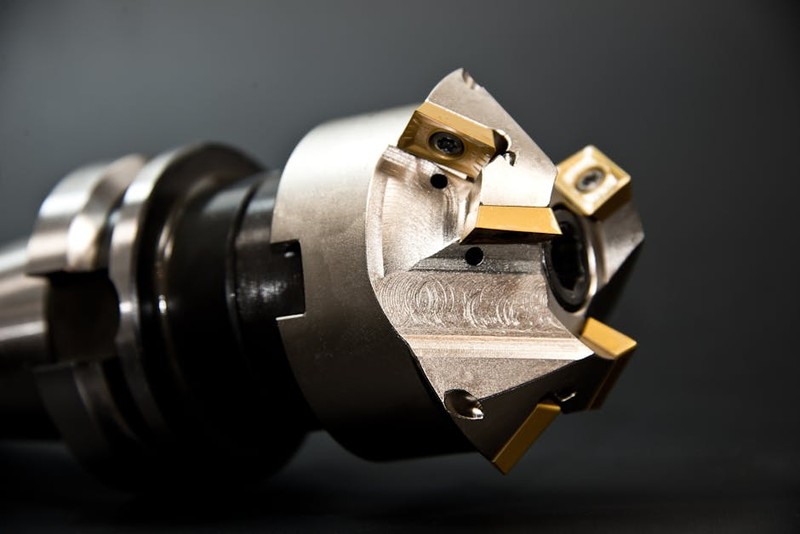
How we do it:
– Start with forged or 3D-printed near-net shapes instead of solid billets. This can reduce raw material usage by 40-60%.
– Use high-speed machining (HSM) toolpaths that maintain constant chip load, reducing cycle time and energy consumption by up to 25%.
– Implement trochoidal milling for deep pockets, which reduces tool engagement and allows for higher feed rates with less heat generation.
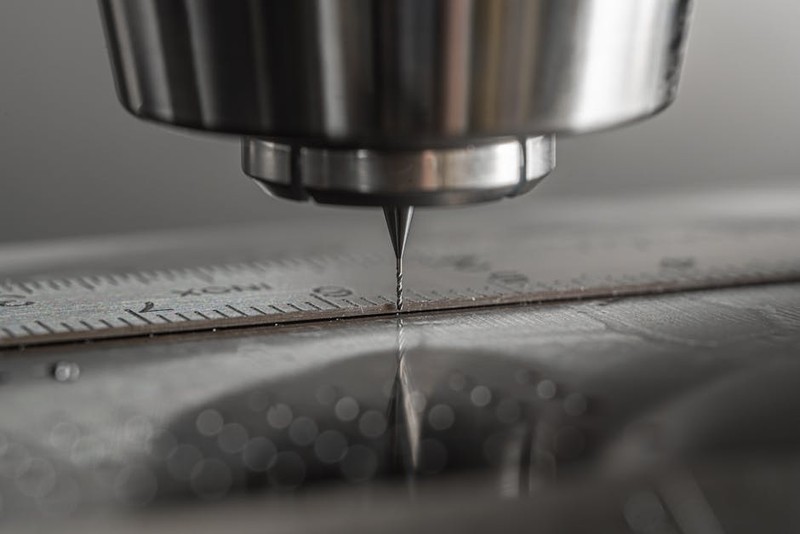
Quantified impact from a recent project:
| Parameter | Traditional Approach | Eco-Optimized Approach | Improvement |
|———–|———————|———————-|————-|
| Raw material used (per part) | 2.8 kg (7075-T6 billet) | 1.6 kg (forged near-net) | 43% reduction |
| Machining cycle time | 22 minutes | 16 minutes | 27% reduction |
| Energy consumption (kWh/part) | 4.1 kWh | 2.9 kWh | 29% reduction |
| Recyclable chip yield | 62% (mixed alloys) | 89% (single alloy, clean) | 44% improvement |
2. The Coolant Conundrum: Moving Beyond Flood Cooling
One of the dirtiest secrets of conventional CNC machining is the environmental impact of flood coolant systems. Standard water-soluble coolants contain biocides, corrosion inhibitors, and petroleum-based lubricants. They require frequent disposal, and the misting creates airborne particulate hazards.
For eco-friendly product designs, we’ve shifted to minimum quantity lubrication (MQL) and cryogenic cooling wherever possible.
A Case Study in Optimization:
In a project for a sustainable kitchen appliance line, we machined 6061 aluminum components using:
– MQL system using 100% biodegradable vegetable oil (0.2 ml/hour versus 20 liters/hour for flood coolant)
– Dry machining for roughing passes (using compressed air for chip evacuation)
– Liquid nitrogen cryogenic cooling for finishing passes on thin-walled sections (reducing thermal distortion)
The results were striking:
– Coolant consumption dropped from 180 liters per shift to 0.3 liters per shift.
– No wastewater generation (zero liquid discharge).
– Tool life increased by 35% due to reduced thermal shock.
– Surface finish improved from Ra 1.6 µm to Ra 0.8 µm.
The trade-off? MQL requires more meticulous chip management and can be less effective on deep-hole drilling. We had to redesign our chip conveyor system and implement a vacuum chip extraction system. But the environmental and cost benefits were undeniable.
3. Material Selection: The Sustainability Scorecard
Not all “green” materials are created equal. I’ve developed a Sustainability Scorecard that evaluates materials across five dimensions for CNC machining services for eco-friendly product designs:
| Material | Embodied Energy (MJ/kg) | Recycled Content | Machinability Index | End-of-Life Options | Cost Premium |
|———-|————————|——————|———————|———————|————–|
| 6061-T6 (100% recycled) | 8.2 | 100% | 8/10 | 100% recyclable | +5% |
| PLA/Hemp composite | 4.5 | 0% (biobased) | 3/10 | Compostable (industrial) | +30% |
| Cast nylon (recycled) | 12.1 | 40% | 7/10 | Recyclable (limited) | +10% |
| Stainless 304 (virgin) | 56.0 | 0% | 6/10 | 100% recyclable | Baseline |
| Birch plywood (FSC) | 3.2 | Variable | 5/10 | Biodegradable | -15% |
Key insight: The machinability index is critical. A material that requires 3x longer cycle time or 2x tool changes may have a lower total environmental impact than a “greener” material that wastes energy and creates more waste during processing.
📊 Real-World Results: A Complete Eco-Friendly Product Line
I want to share a comprehensive case study from a project I led for a European startup designing modular, repairable office furniture. The goal was to create a product line that was not only aesthetically pleasing but also fully circular—every component had to be machinable, repairable, and recyclable at end of life.
The Design Challenge:
– 12 unique components per product
– Mixed materials: recycled aluminum frames, FSC-certified birch plywood panels, and recycled nylon connectors
– Tolerance requirements: ±0.1mm for mechanical fits
– Target production volume: 5,000 units/year
Our Approach:
1. Material harmonization: We convinced the client to reduce from 12 materials to 4 (recycled 6061, FSC birch, recycled nylon 6, and stainless steel fasteners). This simplified sorting and recycling.
2. Modular design for machining: We redesigned the aluminum frame to use extruded profiles (reducing machining time by 60%) with CNC-machined joint details only where needed.
3. Zero-waste nesting: For the plywood panels, we used parametric nesting software that optimized cut paths to achieve 97.3% material utilization (industry average is 82%).
4. Closed-loop chip recycling: All aluminum chips were collected, cleaned, and returned to the extruder for remelting into new profiles.
Measured Outcomes (12-month production run):
– Material waste reduced by 32% (from 1.8 kg/unit to 1.2 kg/unit)
– Carbon footprint per unit reduced by 18%