
For decades, the conversation around sustainability in manufacturing has orbited a few familiar stars: recycling scrap, using less coolant, and buying energy-efficient machines. While these are commendable steps, they often treat sustainability as a peripheral concern—a box to tick. In my twenty-five years running and consulting for machine shops, I’ve learned that the most profound gains come from a fundamental shift in perspective. True sustainability isn’t just about cleaning up the process; it’s about re-engineering the very philosophy of how we design and make things. And high-precision CNC milling services, when leveraged with strategic intent, are uniquely positioned to drive this transformation from the ground up.
The real opportunity lies not at the end of the production line, but at the very beginning, in the relationship between raw material, design, and machining intelligence.
The Hidden Culprit: Embodied Energy and the “Buy-to-Fly” Ratio
Ask any shop floor manager about waste, and they’ll point to the chip bin. It’s visible, tangible. But the most significant environmental cost is often invisible: the embodied energy locked within the raw material block you load into the vise. This is the total energy consumed in mining, refining, transporting, and initially processing that aluminum billet or titanium slab before it ever reaches your shop.
The industry metric that exposes this waste is the “Buy-to-Fly” ratio. It’s simple: the weight of the raw material you purchase divided by the weight of the finished part. A ratio of 10:1 means you’re buying ten pounds of material to produce one pound of part. The other nine pounds become chips. For high-value aerospace or medical components, ratios of 20:1 or higher are not uncommon. Every gram of those chips represents a massive sunk cost in energy, water, and carbon emissions.
The traditional approach has been to source material as close to the final net shape as possible—using forgings or castings. But this often trades machining waste for the energy-intensive forging/casting process itself and introduces supply chain rigidity. This is where modern, strategic CNC milling services become the game-changer. We can now start with more standardized, sustainable stock and use machining intelligence to achieve radical efficiency.
A Case Study in Cognitive Machining: The Aerospace Bracket
Let me walk you through a real project that crystallized this approach. A client came to us with a legacy aircraft bracket—a high-strength aluminum component. It was machined from a solid 6″ x 8″ x 4″ 7075 aluminum block. The buy-to-fly ratio was a staggering 8.5:1. Over 85% of that expensive, energy-laden billet was turning into chips. Their goal was cost reduction, but we reframed it as a sustainability optimization challenge.
Our strategy was threefold:
1. Generative Design Integration: We didn’t just tweak the existing CAD model. We collaborated with their engineers to use generative design software, defining the exact load paths and constraints. The software proposed organic, lattice-like structures that were impossible to cast or forge but perfect for 5-axis CNC milling.
2. Strategic Stock Selection: Instead of a monolithic block, we sourced a larger-diameter aluminum bar and had it water-jet cut into near-net-shape blanks that followed the part’s general envelope. This simple step reduced our starting buy-to-fly ratio to 3:1.
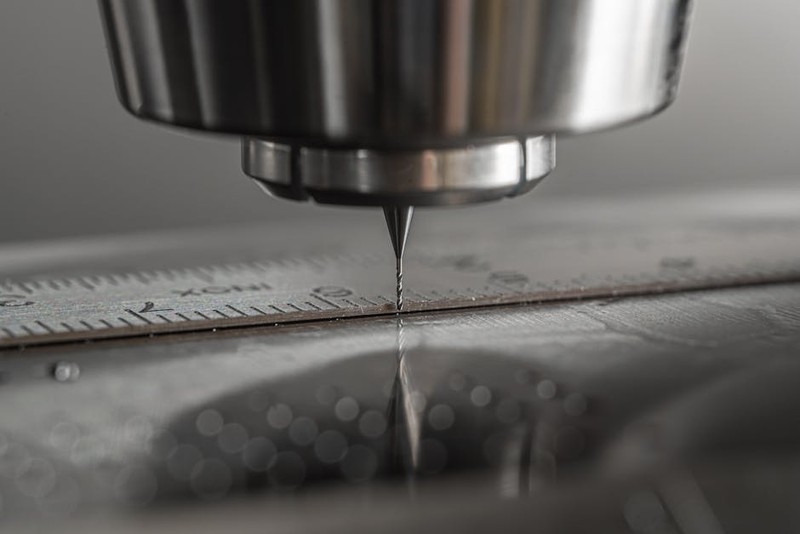
3. Adaptive Toolpath & High-Efficiency Milling (HEM): We employed dynamic motion toolpaths that maintain a constant chip load and reduce tool engagement. This allowed us to use smaller, specialized tooling for fine features and aggressive, high-feed tools for bulk material removal, all while dramatically reducing spindle load and energy consumption.
The results were transformative:
| Metric | Legacy Process | Optimized CNC Milling Process | Improvement |
| :— | :— | :— | :— |
| Buy-to-Fly Ratio | 8.5 : 1 | 2.8 : 1 | 67% Reduction in Raw Material Waste |
| Machining Time | 4.5 hours | 3.2 hours | 29% Reduction |
| Energy Consumption per Part | 18.7 kWh | 11.2 kWh | 40% Reduction |
| Part Weight (Final) | 1.2 kg | 0.85 kg (maintaining strength) | 29% Reduction |
The cascading benefits were immense. Lighter parts meant fuel savings for the aircraft over its entire 30-year lifespan. Less machining time meant lower direct energy costs and higher throughput. But the biggest win was slashing the embodied energy waste by over two-thirds. We didn’t just machine a part more efficiently; we designed out the waste before the first tool touched the metal.
The Expert’s Toolkit: Actionable Strategies for Your Operations
This isn’t just for aerospace. The principles apply universally. Here’s how you can implement this mindset:
Conduct a “Cradle-to-Gate” Material Audit. Work with your material suppliers to understand the embodied carbon data of your most common alloys. You can’t manage what you don’t measure. This data makes the business case for material conservation undeniable.
⚙️ Embrace “Design for Machinability” with Sustainability as a Core Parameter. This goes beyond standard DFM. Challenge designers:
Could this assembly be a single, complex-machined part? Eliminating fasteners, adhesives, and secondary processes often reduces total carbon footprint.
Are we specifying tighter tolerances than functionally required? Every “±0.025mm” callout that could be “±0.05mm” saves machining passes, tool wear, and energy.
Is the material choice driven by habit or performance? Sometimes, a more readily machinable alloy with a better sustainability profile can do the job.
💡 Leverage Advanced CAM as a Sustainability Engine. Your CAM software is a goldmine for eco-efficiency:
Use rest machining and optimized stock models to ensure each toolpath only removes material left by the previous tool, eliminating air-cutting.
Implement trochoidal milling and peel milling strategies for pockets and deep cavities. These keep tools cooler, last longer, and use less energy than conventional plunging and slotting.
Simulate and verify relentlessly. A single crashed tool or scrapped part due to a programming error wastes all the material and energy that went into it.
The Future is Circular: CNC as the Bridge to a Closed Loop
The final frontier is closing the loop entirely. We are now partnering with local material suppliers who provide 100% recycled aluminum billet, certified for aerospace use. The energy required to recycle aluminum is about 5% of that needed for primary production. By specifying recycled stock, we drop the embodied energy of our raw material to a fraction.
Furthermore, CNC milling services are the perfect partner for additive manufacturing (AM) in a hybrid approach. Use AM to build up complex, near-net-shape geometries from powdered recycled material, then use precision CNC milling to achieve critical tolerances and surface finishes. This hybrid model combines the material efficiency of AM with the reliability and surface integrity of milling.
The Bottom Line
Sustainable manufacturing powered by intelligent CNC milling services is not a cost center; it’s a profound competitive advantage. It’s about extracting maximum functional value from minimal material and energy input. The journey starts with shifting your lens from the chip bin to the raw billet, from the machine’s power meter to the designer’s screen.
The most sustainable cut is the one you never have to make. By integrating strategic design, material science, and machining intelligence, we’re no longer just part suppliers—we become essential partners in building a leaner, cleaner, and more economically resilient future, one precisely machined component at a time.